Sustainable Living: Eco-Friendly Renovation Practices for a Greener Home Mar 11, 2026
As you start your renovation journey, the first step is to audit your current energy usage. Understanding your home's energy consumption helps identify areas for improvement. Consider conducting an energy audit, which evaluates your home's efficiency and highlights opportunities to enhance sustainability. This baseline assessment paves the way for effective eco-friendly renovations.
One of the most impactful ways to reduce energy consumption is through improved insulation. A well-insulated home retains heat during the winter and stays cooler in the summer, reducing the need for excessive heating or cooling. Choose insulation materials that are sustainable, such as recycled denim or blown-in cellulose. These options not only enhance energy efficiency but also reduce environmental impact.
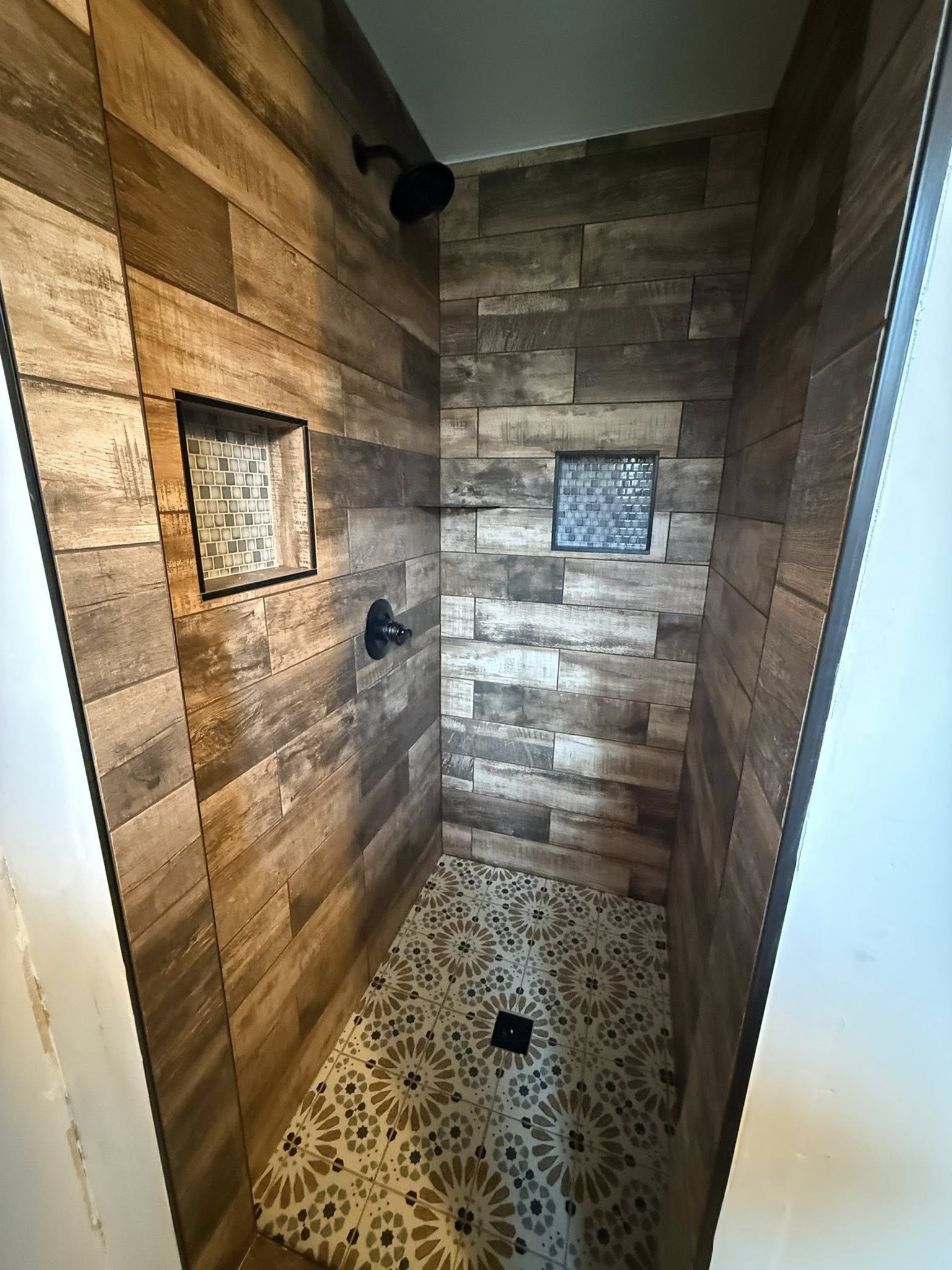
The choice of materials is another critical aspect of sustainable renovations. Opt for eco-friendly materials, such as bamboo, reclaimed wood, or recycled metal. These options offer durability and aesthetic appeal while supporting sustainable resource management. By selecting locally sourced materials, you also reduce the carbon footprint associated with transportation.
Lighting is another significant factor to consider. Swapping conventional light bulbs for LED lighting can dramatically reduce energy usage. LEDs use less energy and last longer, leading to further savings on electricity bills over time. Maximize natural light by installing larger windows or skylights, which will not only reduce lighting costs but also enhance the overall ambience of your home.
Water conservation is an often-overlooked aspect of eco-friendly renovations. Installing low-flow fixtures in your bathrooms and kitchens can significantly reduce water usage. Consider adding rainwater harvesting systems, which collect and store rainwater for use in garden irrigation, contributing to responsible water management.
If you're ready to take a step further into sustainability, consider renewable energy sources. Solar panels are a popular choice that can drastically cut electricity costs and reduce your reliance on non-renewable energy. Though the initial investment might seem high, the long-term savings and incentives make it a worthwhile consideration.
Implementing smart technology is another fantastic way to enhance your eco-friendly renovation. Smart thermostats, energy-efficient appliances, and automated lighting systems can be controlled remotely and fine-tuned to reduce energy waste. Integrating these technologies into your home not only boosts efficiency but also adds a layer of convenience to your daily life.
As your renovation project nears completion, don't forget about waste management. Ensure that waste materials from the renovation are recycled or disposed of responsibly. Many construction components can be repurposed, reducing the amount of waste that ends up in landfills.
Transforming your house into a sustainable home is a rewarding process. By incorporating these eco-friendly renovation practices, you contribute to a healthier planet and enjoy the benefits of an efficient, cost-effective living space. Remember, every small change can make a big difference, and with Harris HomeCraft's expert guidance, your journey toward sustainable living is just a call away. In this way, you ensure your home not only stands as a testament to modern comfort and style but also as a beacon of environmental responsibility.
/filters:no_upscale()/filters:format(webp)/media/23f73e95-7cab-48be-9d53-98232f1be459.jpeg)